Monday, March 30, 2020

M-m-m-m-m-m-y Corona - I

Wonderfully so, the internet and blogoshpere are currently awash with the writings of countless religious thinkers of all stripes who are happy to explain to us why the corona virus is here. I would like to share with you my perspective on the matter. By way of introduction I will mention that as Orthodox Jews we are taught that when calamitous events occur (and even when lesser disturbances occur) it is a time for introspection. We should be trying to figure out what the message is that God is sending to us and clean up our act in some way. I have,however, a few rules about the introspective process:

  1. Any message that a person comes up with should be one that applies to themselves personally. Figuring out that God is sending a message for other people to change, but you are the righteous one, is not the point of the exercise. To announce that this is a punishment from God because certain other people didn't vote in the Israeli elections is not valid. Nor is it valid to blame it on how other people are dressing or living. Find a message that applies to yourself.
  2. A good parent or pedagogue knows that an effective punishment is one that somehow reflects the offense. To mete out a punishment that in no way reflects the wrongdoing only serves a punitive purpose and not an educational one and in no way empowers the offender to reflect on how to effect a positive change. To use the virus as a platform to rail against the same pet peeve you have been railing against for years, and one that is in way connected to the virus or its effects again misses the point.
  3. There is no one-size-fits-all approach. This is very much a self-introspective process. The meaning that one person finds may not be meaningful to another. For that matter, the meaning that I find today might be different than the meaning I find tomorrow. The Arizal says that in every moment of existence there is a different explanation for every word of the Torah. What this means is that at each moment of our lives we should be freshly experiencing life, contemplating life and finding meaning in life. If we find the same meaning day after day what it really means is that we aren't truly living. So what I write here today, or tomorrow, may be meaningful to me today, and may not be as meaningful to me tomorrow. And may never be meaningful to you. And that's fine.
The Economist Magazine
The virus has had an impact on a global scale. The world economy has ground to a halt. One of the most visible impacts of that is the minimization of pollution around the world. To prevent the spread of the virus planes aren't flying, people are either working from home or have lost their jobs so their vehicles aren't polluting the air during their daily commute. Businesses are shuttered and not creating the same air pollution and environmental waste that they would be producing otherwise.
I have hard many people suggest that this is the Earth's way or correcting the balance. That mankind, especially over the last century or two, has raped and pillaged the Earth and now the Earthpire is striking back. How different is that from suggesting that the message God is sending us is to be more conscious of being responsible stewards of the environment?
While I am not a member of Greenpeace I have developed a certain amount of environmental consciousness over the years. Is God sending me a message that I am not doing enough? Am I driving around unnecessarily, polluting the air for no good reason? Am I wasting perfectly good resources at times because I am lazy or simply don't care? Am I careful with recycling?
Mind you, I'm not even thinking here on a global scale, I'm trying to see what I can be doing differently, better. What am I doing, or not doing, that I am not even aware of?
There is little doubt that a significant portion of the environmental damage over the past couple of centuries is due to economic progress. I am no Luddite and am not in any way opposed to progress. There are voices that have been shouting for a while that we are wreaking too much havoc in the pursuit of that economic progress. With the enforced brakes on that progress is the message that we need to have a global conversation on the appropriate balance between economic growth and environmental impact?
For those of us who don't give these matters much thought maybe this is the time for us to start thinking.

Wednesday, March 18, 2020

King of Corona (H/T S&G)


Image result for corwn of moshiachIf I had a dollar for every meme and email I have received over the past few weeks purporting to find a source for Corona in the Torah, and claiming to have proof from the Torah that the Corona virus is the harbinger of Moshiach, I could pay for Trump's relief plan. I would like to point out three things, first of all that these proofs are errant, secondly that they may cause more harm than good, and, finally if bringing Moshiach is your goal there are more effective means of accomplishing that.
The memes that I have seen would, for the most part, qualify as מגלה פנים בתורה, distorting the words of the Torah in order to make a point. The Baal HaTurim about Korban Pesach has nothing to do with the Corona Virus and the distortion of the adjacent Rashi would surely qualify as Purim Torah if people weren't taking it seriously. The same goes for the other alleged allusions, they are illusions. We have enough Torah based literature on how to respond to mass illness and how to cope with it, and how to understand what God wants from us, that there is really no reason to start manufacturing new source material.
Many years ago I heard Rav Moshe Aharon Stern speak here in Baltimore on Tisha B'Av afternoon in Rabbi Taub's shul. His topic was that Moshiach would be coming very soon, and he told numerous stories from the Chofetz Chaim, the Chazon Ish and others in order to bolster his thesis that Moshiach would surely be here within the next decade or two. After he finished speaking Rabbi Taub came up to him visibly upset. He maintained that you have to be careful before telling people that Moshiach would certainly be here by one date or another, because, if Moshiach does not arrive, the result will be that people would lose their Emunah. 
He told a story that there was a tradition from the Ohr HaChaim haKadosh that Moshiach would come in 5762 (1901-2). The Ohr Hachaim was a very popular book in Poland and the result was that in the preceding year many Polish Jews began to sell their businesses and homes as they were certain that Moshiach was coming shortly. On Rosh haShana of 5762 the Kedushas Yom Tov went to the bima and announced loudly that he swears that Moshiach is not coming this year. He was roundly criticized by many of his shocked contemporaries, but he explained that he was happy to be guilty of a false oath if Moshiach arrives. And if Moshiach doesn't arrive at least he will have prevented people from losing their faith. For the record, all the dates that Rabbi Stern mentioned have since passed, I still haven't lost my faith.
If your goal is to bring Moshiach then posting spurious memes and finding distorted allusions is not the way to go about it. God created the world in order to be kind to people and the way to bring Him into the world in his full glory is by being kind to people. While the current situation has created some unique challenges to finding opportunities to be kind to others, it has also created new opportunities (including kindness to members of your own family.)
Being locked up in your home and not working or otherwise heading out offers us all an opportunity to increase our study of true Torah by yourself and with family member wi h whom you might otherwise never have a chance to learn, as well as opportunities for kindness (you can actually have plenty of time to help with the Pesach preparations and/or find someone online who needs a chavrusa.) Don't miss an opportunity to bring Moshiach.

Wednesday, February 26, 2020

Masked Man

Image result for lone rangerMasks have been very much on my mind these days, specifically Purim masks. Why do we wear them?
I was thinking that they are perhaps a manifestation of the concept of מה הוא אף אתה, that we are meant to emulate Hashem. God created the world through the process of Tzimtzum, by constricting and concealing Himself. Had He not done so we would never have had the opportunity of finding Him as His presence would be manifest at all times. Tzimtzum was His gift to us so that we could find Him. On Purim we emulate Hashem by concealing ourselves as well.
However, this does not fully explain the mask. After all, our true essence is always masked behind the facade of the face that we show the world every day. Our soul, our essence, is hidden within and we allow others to experience only a small portion of who we truly are. Why would it be necessary on Purim to cover up even more to emulate Hashem if we emulate Him in this manner each and every day? And there is an irony. After the covering of the mask we are told to get drunk. נכנס יין יצא סוד. Getting drunk is not a state in which you will do a good job of hiding your essence. Quite the contrary, you are pretty much guaranteed to show your true self when inebriated.
Perhaps the answer is that while it is true that in this world (עולם מלשון העלם) God is always hidden, at the time of Purim he was in a state of ואנכי הסתר אסתיר, double concealment. Consequently, to emulate Him, when Purim begins we, too, enter into a state of double concealment, הסתרה שבתוך הסתרה, just as He is.
The real trick to understanding the Purim story is realizing that there were no earth shattering miracles that occurred. It was the most subtle of miracles. It was the ability to find the splendor of God in the darkest places that appeared to be most devoid of Him. Finding Him there brings forth the greatest light, a light much greater than that which could be achieved in the absence of the double concealment. ליהודים היתה אורה ושמחה. So while we begin Purim in a state of double concealment it isn't supposed to end that way. At the end, the greatest revelation should take place, the opportunity to be yourself and share yourself.
This is as Rebbe Nachman says that the greatest secrets are the ones found in the הסתרה בהסתרה, in the places of greatest hiddeness. That is where you can find yourself.

Thursday, February 13, 2020

Daf Yomi Insights - Berachos 41

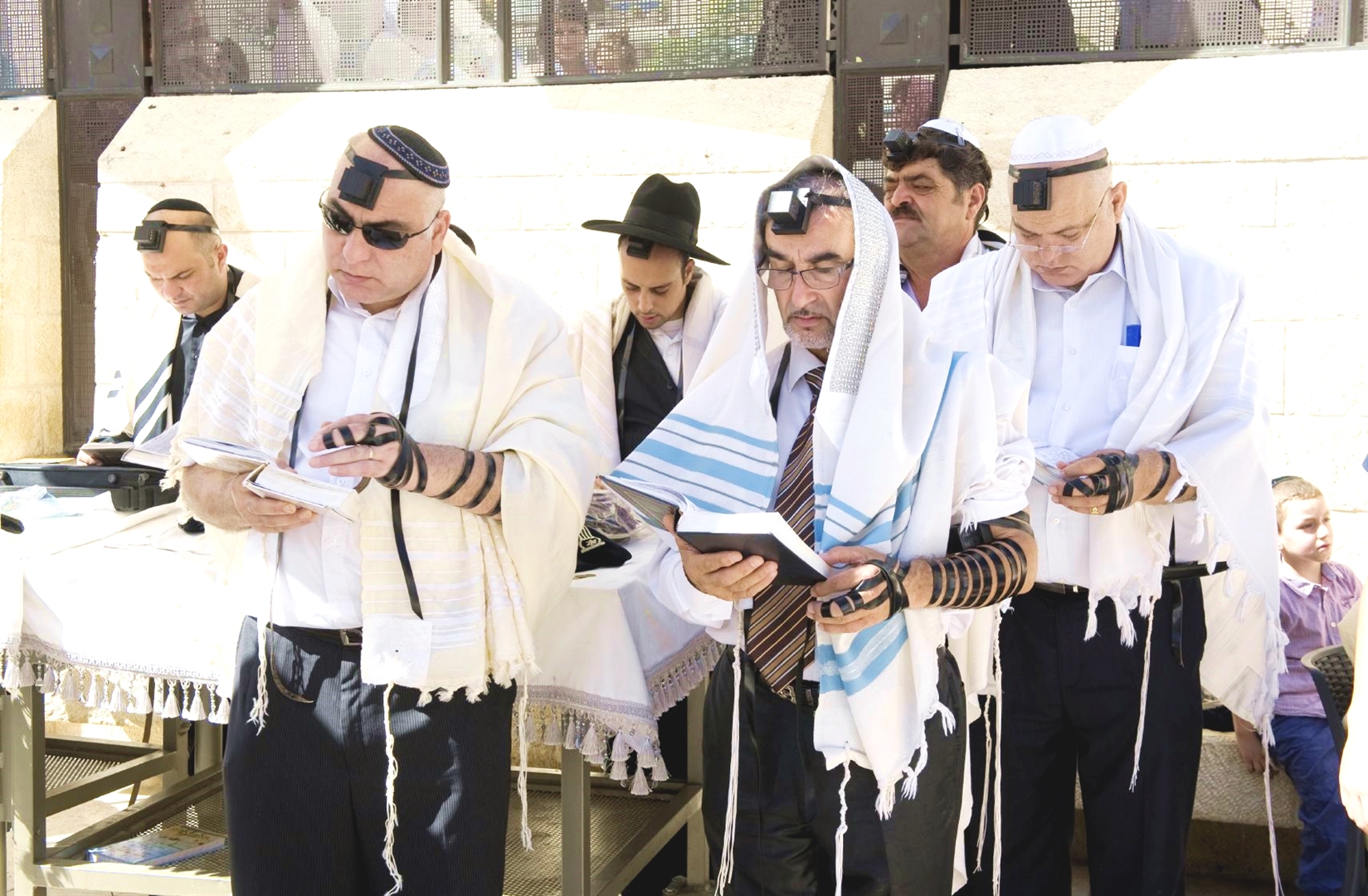
Image result for wearing tallit and tefillinThe Gemara tells us that if someone enters a house that has tzoraas on the walls and he has clothing resting on his shoulder or is carrying shoes or rings in his hand, both he and the items he is carrying become טמא, ritually impure, immediately. If he is wearing the clothing, or the shoes are on his feet and the rings on his fingers then, whereas he is טמא immediately the clothing, which now are subordinate to the person and do not have their own significance, do not become impure until he has remained in the house for a few minutes.
The Bais HaLevi learns from here that if two people are about to enter a shul, one of them is wearing talis and tefillin and the other one is holding his talis and tefillin in his hand, and neither one of them is more prominent which would create a Halachic requirement that he be allowed to enter first, then from this Gemara we learn that the person carrying the talis and tefillin enters prior to the one wearing them. This is because in the case of the one wearing the  talis and tefillin, they become בטל, subordinate, to the person and have lost their independent significance, but in the case of the one carrying them they are still considered to be  talis and tefillin and therefore he should enter first as you have both a person as well as talis and tefillin entering.
In Shearis Yaakov Rav Yitzchok Meir Morgenstern questions this ruling. First of all, he asks, while we find rules about which person comes first with regards to entering a building we do not find any such rules regarding objects, even if they are objects used to perform a Mitzva. For that matter the person wearing the talis and tefillin is currently fulfilling several Mitzvos each moment and surely should come before a person who isn't and is just holding the objects. Also, even though our Gemara does say that with regards to the laws of Tumah objects that are worn lose their independent significance, that doesn't mean that they have lost their holiness because they are being worn. On the contrary, they are at their holiest when they are being used for a Mitzva. Therefore it would seem that even if we look at the holiness of the objects alone the ones being worn should take precedence over the ones being held.
As is his custom, Rav Morgenstern then offers a kabbalistic viewpoint to understand the Bais HaLevi. He explains that the approach of the Bais Halevi's family, the Brisker approach, is to understand the חכמה, wisdom, within the נגלות התורה, the revealed portions of the Torah. With this approach the idea is to offer many logical concepts, many of which do not actually have a practical application. They are, in Kabbalistic terms, lights without a vessel to contain them. In the world as we know it today, עולם העשייה, we need to actualize the light by performing a Mitzva, otherwise it has no meaning and efficacy. This is why one must perform a Mitzva, together with the intent behind the Mitzva, and it is not sufficient to just contemplate the concept. But the Brisker approach is the approach of מצוות בטילות לעתיד לבא, that in the post-Messianic times we will not perform the Mitzvos but just contemplate the ideas.
Therefore, to the Bais HaLevi, coming from such an approach, a Mitzva object in the hand, one that is not actually being performed, but represents the idea of the Mitzva, the light of the Mitzva, represents a higher state than one which is being performed and the person carrying the Tefillin should go first.

Wednesday, February 05, 2020

Daf Yomi Insights - Berachos 33

The Talmud (Berachos 33a) mentions that on Saturday night one should recite the blessing of אתה חוננתנו, the blessing mentioning the distinction between Shabbos and weekday, as part of the blessing of חונן הדעת, the fourth Brocha of Shemoneh Esray which focuses on the fact that God grants wisdom. The Diveri Chamudos (ברכות פרק ה' מ"ג) in his commentary on the Ros"h elaborates on this change in the Amidah. (For those who are not familiar with the Divrei Chamudos, it was authored by Rabbi YomTov Lippman Heller, author of Tosefos Yom Tov, and is certainly someone who is in the pantheon of great Talmudic scholars across the generations.) He begins by discussing whether or not the Talmud means to replace the standard fourth Brocha of the Amidah with a different formula for post-Shabbos, or if the intention was for this to be an addition to the existing Brocha, which is the common custom today.
Each of these formulae, the weekday as well as the post-Shabbos, are referring to the wisdom that God has granted to mankind, with the one for post-Shabbos focused on our ability to create distinctions. Divrei Chamudos quotes the Levush  as explaining that the weekday formula is focused on God's granting us the wisdom to understand secular knowledge, and that it is applicable to both Jews and Gentiles who have the capacity to understand the Seven Wisdoms which are needed by all of mankind. The wording that we add each Saturday night is referring to Torah knowledge and the wisdom given to the Jewish people to understand the distinctions that the Torah creates between pure and impure, holy and secular. Therefore, the Levush maintains that after we discuss the secular category of knowledge we say וחננו מאתך דעה בינה והשכל,  grant us from You knowledge, understanding and intellect and then after we discuss Torah knowledge we repeat the same six words asking God to grant us the type of knowledge to which we had just referred. Since these are two distinct areas of knowledge, secular and Torah, we do not include them in one statement asking for knowledge, understanding and intellect, but must clearly separate them.
The Divrei Chamudos finds this to be puzzling. If we do not want to include these two areas of knowledge together because they are distinct, why would we then use the same words to ask for each type of knowledge. Also, it is poor usage of language to use the same terminology repeatedly. If we used these words for one request, we should find other words for the next.
He therefore says that we discuss the need for secular knowledge, then for Torah knowledge and only then to we say וחננו מאתך דעה בינה והשכל,  grant us from You knowledge, understanding and intellect, one request for both types of knowledge. Even though the Levush had said that it is inappropriate to put them together the Divrei Chamudos maintains:
למה לא? והרי הם מחוברים מחומר ונושא א'. וכ"ש שלפי טבע היצירה זו שבהוויות העולם קודמת לזו שבחכמת התורה בזמן וגם דבר ידוע ומוחש שצריכה לה כי איך יעלה למדרגת חכמת התורה ולא ידע בין ימין ושמאל בשום מושכל ראשון ושני. ואם שחכמת התורה עולה על כולנה הלא השבע חכמות כולם כלולים בה ואם לבינה תקרא
Why not? They are both connected by the same material and subject. Even more so, the nature of Creation of the existence of the world precedes that of the wisdom of Torah chronologically. And it is also known and obvious that Torah study requires secular knowledge. How can one rise to the level of Torah Wisdom if does not know right from left in primary and secondary knowledge. Even though Torah knowledge is above all, the Seven Wisdoms are all incorporated within and we should give primacy to wisdom.

Tuesday, February 04, 2020

Daf Yomi Inisghts - Berachos 32

Image result for thorns and thistlesAt the time of the עגל הזהב, Golden Calf, Hashem told Moshe לך רד, go down. The Sefer Tiyul BePardes points out the significance of the word רד. In the Pasuk of לא תשתחוה לאל אחר, do not bow down to other gods, the letter ר of אחר, other, is written large. Similarly, in the Pasuk of שמע ישראל ה' אלוקינו ה' אחד, Hear O Israel God is our Almight, God is One, the letter ד of אחד, one, is written large. These two letters, ר and ד, are very similar and there is only a small point that differentiates between them. They are written large in the Torah to remind you not to confuse the ר of other gods with the ד of the One God. God was now telling Moshe that לך רד, go, your people have confused ר and ד and substituted other gods for the one God.
I have seen this concept expressed by the curse given to Adam as well. Among the things God said to Adam was קוץ ודרדר תצמיח לך, literally thorns and thistles will grow for you. Kabbalistic works point out that it is a thorn which separates between the letter ד and the letter ר, just a small point of ink. God was warning Adam about the challenge of that thorn and the result of that challenge will be דרדר, an existence in which man will keep changing from ד to ר and back again. We will live in an existence in which there are times that we will be able to discern the Unity of God symbolized by the ד and then other times when we are challenged to see God's Unity clearly and we stray towards the ר of other gods. And that process will constantly repeat itself.

Monday, February 03, 2020

Daf Yomi Insights - Berachos 31

The Meiri comments on the Gemara that one should only take leave from his friend in the midst of an Halachic conversation so that the friend will remember him, meaning that they should engage in conversation until the conversation naturally turns to a Halachic matter. As an example the Gemara tells the story of Rav Kahane who accompanied Rav Ashi and asked him about this idea that people say that that the palm trees in Babylonia were from Adam haRishon. He wanted to understand what was the point of this idea. In response Rav Ashi quoted the pasuk in Yirmiyahu about the land in which Adam did not dwell, and he explained that in this context Adam did not mean man, but Adam HaRishon. There were places where Adam did not decree that there should be civilization; only the places that Adam said should be settled ultimately were settled. This is not meant to be taken literally, that Adam traveled around the globe making such declarations, but it means that there are certain places that are naturally going to attract settlements, and others that won't. The Palms of Babylon were a place to which people were naturally attracted.
Image result for drunkThe Gemara mentions this story to bring out the point that if the conversation does not naturally segue into a Halachic conversation there is no need to introduce one, just take your leave with words of praise and encouragement. 

*************************************************************************
Rav Kook explains the prohibition for one who is drunk to daven, that even though drinking can enhance one's emotions, and davening is meant to be an emotional experience, still the emotions must be connected to the intellect. One who is drunk has heightened emotions, but his intellect is shattered, this is not the appropriate manner in which to daven.
Furthermore, davening is not meant to have an effect just in the moment, but to have an effect on how a person conducts himself when he is finished. Whereas one who is drunk has the ability to feel that which is good and righteous, he lacks the ability to make distinctions. The fine line between holy and profane, pure and impure, require a relaxed mind and one who is drunk sees everything as equal and cannot see the destruction inherent in certain paths. Therefore, one who is drunk may not daven.

**************************************************************************
The Gemara says that if one suspects another person incorrectly, he is obligated to bless him. Rav Yitzchok Meir Morgenstern explains that since the Jewish Nation, the Torah and God are one a wrong thought about a fellow Jew who is a חלק אלוה, part and parcel of God, is akin to idolatry, like an improper thought about God who created him. The wrong thought about another is damaging and when the person realizes his mistake he must rectify the damage by bringing new light into the world through the means of a Brocha.

Sunday, February 02, 2020

Daf Yomi Insights - Berachos 30

The Gemara on Berachos 30a says as follows:
הָיָה עוֹמֵד בְּחוּץ לָאָרֶץ — יְכַוֵּין אֶת לִבּוֹ כְּנֶגֶד אֶרֶץ יִשְׂרָאֵל, שֶׁנֶּאֱמַר: ״וְהִתְפַּלְלוּ אֵלֶיךָ דֶּרֶךְ אַרְצָם״. הָיָה עוֹמֵד בְּאֶרֶץ יִשְׂרָאֵל — יְכַוֵּין אֶת לִבּוֹ כְּנֶגֶד יְרוּשָׁלַיִם, שֶׁנֶּאֱמַר: ״״וְהִתְפַּלְלוּ אֶל ה׳ דֶּרֶךְ הָעִיר אֲשֶׁר בָּחַרְתָּ״. הָיָה עוֹמֵד בִּירוּשָׁלַיִם — יְכַוֵּין אֶת לִבּוֹ כְּנֶגֶד בֵּית הַמִּקְדָּשׁ, שֶׁנֶּאֱמַר: ״וְהִתְפַּלְלוּ אֶל הַבַּיִת הַזֶּה״. הָיָה עוֹמֵד בְּבֵית הַמִּקְדָּשׁ — יְכַוֵּין אֶת לִבּוֹ כְּנֶגֶד בֵּית קׇדְשֵׁי הַקֳּדָשִׁים, שֶׁנֶּאֱמַר: ״וְהִתְפַּלְלוּ אֶל הַמָּקוֹם הַזֶּה״. הָיָה עוֹמֵד בְּבֵית קׇדְשֵׁי הַקֳּדָשִׁים — יְכַוֵּין אֶת לִבּוֹ כְּנֶגֶד בֵּית הַכַּפּוֹרֶת. הָיָה עוֹמֵד אֲחוֹרֵי בֵּית הַכַּפּוֹרֶת — יִרְאֶה עַצְמוֹ כְּאִילּוּ לִפְנֵי הַכַּפּוֹרֶת. נִמְצָא עוֹמֵד בַּמִּזְרָח מַחֲזִיר פָּנָיו לַמַּעֲרָב. בַּמַּעֲרָב מַחֲזִיר פָּנָיו לַמִּזְרָח. בַּדָּרוֹם — מַחֲזִיר פָּנָיו לַצָּפוֹן. בַּצָּפוֹן — מַחֲזִיר פָּנָיו לַדָּרוֹם. נִמְצְאוּ כׇּל יִשְׂרָאֵל מְכַוְּונִין אֶת לִבָּם לְמָקוֹם אֶחָד.
One who was standing in prayer in the Diaspora, should focus his heart toward Eretz Yisrael, as it is stated: “And they shall pray to You by way of their land which You have given to their fathers” (I Kings 8:48). One who was standing in Eretz Yisrael, should focus his heart toward Jerusalem, as it is stated: “And they shall pray to the Lord by way of the city that You have chosen” (I Kings 8:44). One who was standing in Jerusalem, should focus his heart toward the Temple, as it is stated: “And they shall pray toward this house” (II Chronicles 6:32). One who was standing in the Temple, should focus his heart toward the Holy of Holies, as it is stated: “And they shall pray toward this place” (I Kings 8:35). One who was standing in the Holy of Holies, should focus his heart toward the seat of the ark-cover [kapporet], atop the ark, the dwelling place of God’s glory. One who was standing behind the seat of the ark-cover, should visualize himself as if standing before the ark-cover and turn toward it. Consequently, one standing in prayer in the East turns to face west, and one standing in the West, turns to face east. One standing in the South, turns to face north, and one standing in the North, turns to face south; all of the people of Israel find themselves focusing their hearts toward one place, the Holy of Holies in the Temple.
Image result for great circle route The repetitiveness of this Gemara has long bothered me. After the Gemara had gone to great lengths to explain to you that if you are out of Israel, face Israel, all the way until if you are are in the Holy of Holies you should face the ark, why does it then have to continue, "Consequently, in the East turn to the West, etc.," isn't that obvious already from the preceding few lines?
I would like to suggest an explanation based on the fact that there is a discussion among contemporary poskim as to the proper way to face Israel. Some say that it is very simple, if you are to the West of Israel, you face East. But others say that that is not always the shortest way to Israel. If you are, for example, in Los Angeles, traveling North is a much shorter route to Israel. Which way should you face when you daven?
I would like to suggest that that is the meaning of the "Consequently" portion of the Gemara. It is telling you that if you are west, just face east, don't worry about the Great Circle route, just go simply in the most direct route when you face Israel. If you are west, face east, if you are south, face north. Don't complicate things.

Friday, January 31, 2020

Daf Yomi Inisghts - Berachos 28

Image result for rabban gamliel deposedRav Yitzchok Meir Morgenstern explains that the disagreement between Rebbe Yehoshua and Rabban Gamliel as to whether Maariv is obligatory or not is connected to how Likutei Moharan explains the distinction between Moshe and Aharon. Moshe represents the higher nekudah, Yehoshua the lower one. Yehoshua represents the more lenient approach the one whose goal is to rectify the lower souls, and for this reason Rebbe Yehoshua, who shares the same name and soul says that Maariv is optional, it is inappropriate to obligate the lower souls to daven when they find themselves in a state of darkness and inability to discern God. We cannot make demands of them, rather we must approach them with love and encouragement, and to offer them the opportunity to pray. Rabban Gamliel who, similar to Moshe, was the leader of the Jewish nation represents the higher point, the people who can handle a stricter approach, he was strict about Maariv being obligatory  and strict about only allowing into the Bais haMedrash people who external behavior reflected what was true about them internally. These were the type of people who could past the strictest tests and could be obligated to daven even during times of darkness, and whom one can inspire and make demands of.
With Rabban Gamliel's removal from his position of leadership and everyone being permitted to enter the study hall, even those of apparently lower stature entered and were able to find the point of goodness and consistency within themselves. This necessitated the appointment of Rebbe Elazar ben Azariah as the new leader because he was the one who had taught that we mention the Exodus from Egypt at night, the ability to inspire those who were lost in darkness and remind them that in Egypt the people were able to be extracted from being mired in the lowest levels of impurity, and in one night they left and beheld the light of the Schechina.
All of this was facilitated by Rebbe Shimon bar Yochai because he understood the true will of Hashem, that He does not wish to conduct the world with the trait of din, strict justice, but, rather, to constantly clearly show the people his deep love. 

Wednesday, January 29, 2020

Daf Yomi Insights - Berachos 26

Rav Kook explains the significance of the three terms used for davening with regards to the Avos, עמידה, שיחה, פגיעה, standing, conversing and meeting.
Image result for daveningHe explains that the fundamental principles that a person acquires of respect for God and morality, are easily lost due to the daily tribulations of life. The purpose of tefila is to instill these principles with a person so that they are not forgotten. This is most important in the morning so that a person should prepare himself before he begins to focus on his daily needs in order to acquire for himself a firm moral grounding so that he does not falter in the face of the vicissitudes of time and can withstand the challenges. It is called standing because it helps the person stand up to the challenges and is associated with Avraham who withstood ten trials.
שיחה, conversing, is also a word that means grass, as it refers to the mind's growth into new capabilities. This is most appropriate towards evening, the time of Mincha, when a person is ready to remove from himself his temporal concerns and his soul can rise. The holy feelings that are latent within him can start to grow until they develop into a large tree.
Night time is when a person can rest and contemplate. People can have holy visions as they are sleeping, which cannot occur when they are  attached to their physical selves and their senses. This is called פגיעה, a sudden meeting, as they are above a person's intellect and do not come through a natural progression but suddenly.

Friday, January 24, 2020

Daf Yomi Insights - Berachos 21

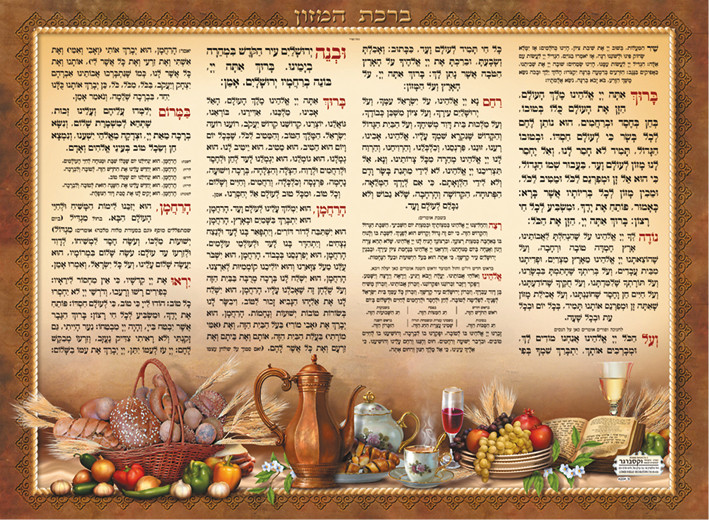
Image result for birkas hamazon
Rav Kook explains the reason for an interesting distinction between the Brocha we recite when eating and the Brocha we recite when studying Torah. When it comes to eating we only find a Torah obligation to recite a Brocha after we eat, not before. When it comes to Torah study the opposite is true, the Torah only obligates us to recite a Brocha prior to studying Torah, not afterwards.
He explains the distinction as follows. For many people their focus while eating is solely on the here and now. They want food that is very tasty for them to enjoy right now. Unfortunately, they do not focus on the long term ramifications of their eating. Are they filling up on calories that have no nutritional value? Are the foods that they are eating likely to lead to medical issues later in life? Therefore the Torah says to recite the Brocha after eating to remind you that while eating you should not just be focused on what you are doing now, but on what the results will be afterwards.
When it comes to Torah study the opposite is often true. Many people are not focused on enjoying the study, maybe they have never experienced joy in studying, and are focused instead on the idea that if they study Torah they will receive a reward in the afterlife. Or maybe they are hoping that the result of their learning is that when they are finished they will have better character or, at the very least, understand better how to perform the Mitzvos. The Torah is telling us to make the Brocha prior to learning so that we remember to be focused on the present, that the very act of learning is meant to bring us great joy and pleasure. We should be focused on how to enjoy the activity and not just on the result that will come later on down the road.

Thursday, January 23, 2020

Daf Yomi Insights - Berachos 20

I wanted to share what the Bac"h and the Aruch HaShulchan say about women reciting Shema.
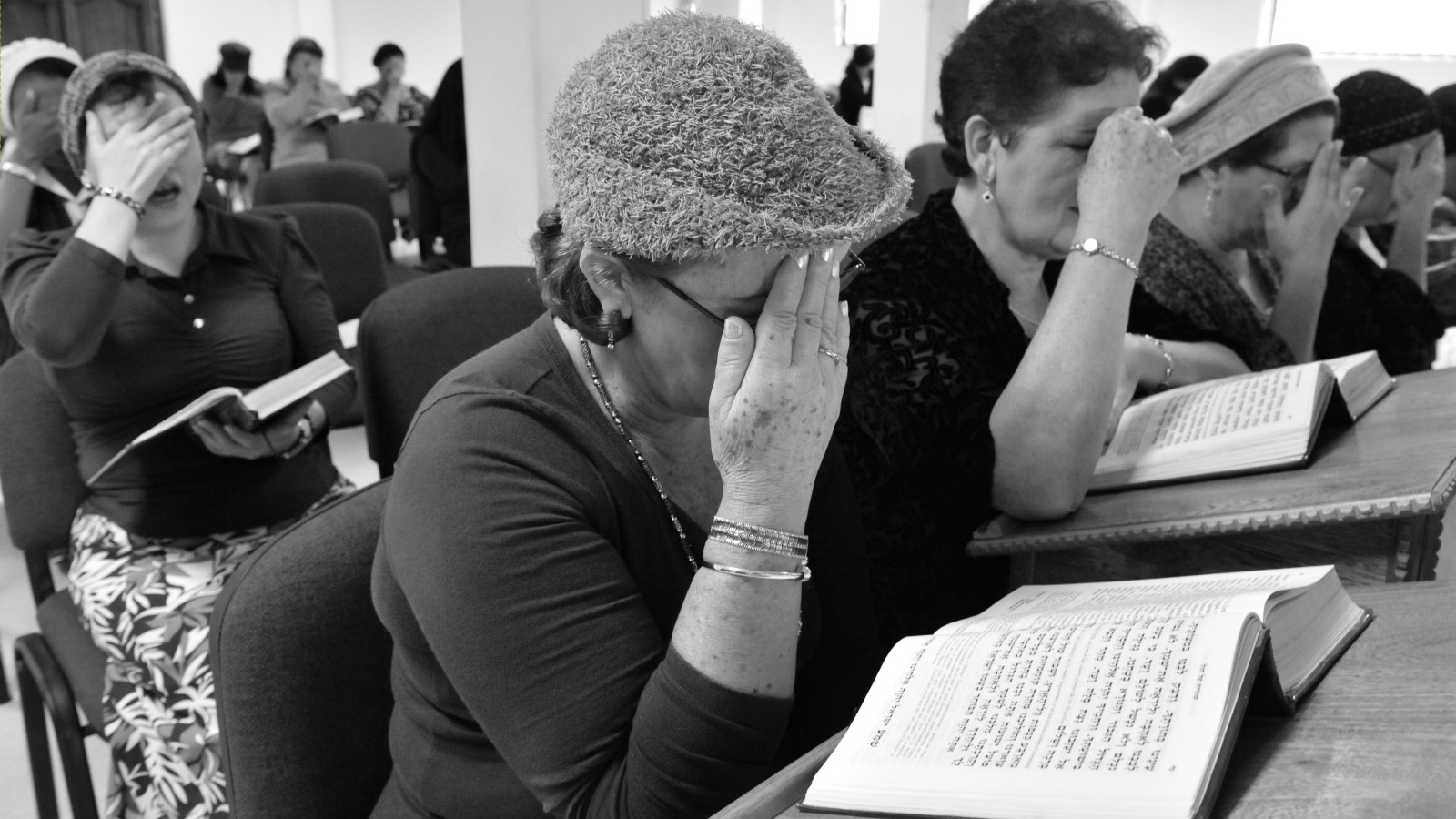
Image result for saying shemaThe Bac"h (סימן ע) writes that the Mishna says that women are exempt from reciting the Shema, to which the Gemara asks that that would seem to be obvious as women are generally exempt from any time bound Mitzvos, why would I think that Shema should be any different. The Gemara explains that since Shema speaks of Hashem's monarchy I might have thought that women should be obligated to say it. The Bac"h explains that it is clear to the Gemara from the start that women are obligated to read the first verse of the Shema as they are obligated to declare the unity of Hashem. The issue at hand was if they are then obligated to continue and read the rest of the three paragraphs of the Shema. The conclusion of the Gemara is that they are only obligated to read the first verse and nothing more. He mentions that the Bais Yosef also says that women are obligated to read the first verse and declare the unity of Hashem, and that is how women should be taught.
The Aruch haShulchan discusses this as well and makes two important distinctions. First off he says that a woman's obligation to declare the unity of Hashem does not have to be done by saying the verse first of Shema. This is why the Shulchan Aruch says that it is proper for a woman to read the first verse of Shema. Proper, but not an obligation. She fulfills her obligation in any way that she declares it. Secondly, for a woman there are not time strictures around when she makes this declaration and can say it any time of day.

Wednesday, January 22, 2020

Daf Yomi Insights - Berachos 19

Image result for plate piled high with foodThe Shela haKadosh writes (עשרה מאמרות ר"א) that overdoing actions that are permissible is forbidden. Don't eat too much, or engage in too much intercourse, or talk too much. The Torah did not discuss this explicitly because it is impossible to explain every detail, as each person is different, and it would have required 1,000 details and a personalized Torah for each individual. Even for each person the rules change depending on circumstances. If all people and all times were the same then the Torah would have written, "This much you can eat, this much you can't eat." Instead the Torah just said to be holy and not over indulgent. If something appears to be more than you need at this moment, step away from it. With regards to intercourse as well, it depends on the person's nature, some have a more active libido, some less, as well as timing makes a difference. With regards to speaking about mundane matters the Torah can't possibly say, "Say this, don't say that," because something might be important for one person to say and not for another.
This is the concept of קדש עצמך במותר לך, sanctify yourself with what is permitted. Even though it is permitted, do not over indulge. Following these dictates does not make one an ascetic, it is actually an obligation, but the details aren't written as they are different for each individual. Similarly, when it comes to those things that we are meant to do the Torah just says רק חזק ואמץ, be strong and diligent, because diligence cannot be legislated as it is different for each individual and circumstance.
This is why we find the concept (Berachos 19) of אדם חשוב שאני, that a prominent person is different. He is obligated to act differently than others. If the nature of all people was identical, then it would be a Halacha in the Torah, since they are not we refer to these things as לפנים משורת הדין, beyond the letter of the law. But in reality, they are obligations.

Tuesday, January 21, 2020

Daf Yomi Insights - Berachos 18

The Gemara says that if one is transporting the bones of a deceased and he is concerned about נכרים וליסטים ,Gentiles and bandits, along the way he is permitted to wrap the bones in a pouch and sit on them. The same is true, the Gemara says, when transporting a Sefer Torah.
Image result for old sefer torahTosefos explains that if one is concerned about the safety of the Torah he may even sit upon it as he rides away quickly. RIF disagrees and maintains that the Gemara only means that you can hang the Torah on your back in a manner that would otherwise be considered to be disrespectful in order to escape, but not to sit upon it. Imrei Shefer finds the RIF to be quite puzzling. If the Sefer Torah is in danger, he asks, isn't it better to sit upon it, which is temporarily demeaning to the Torah, than to allow it to fall into the hands of those who might treat with with the utmost disrespect? He therefore suggests that the RIF had a different text in his Gemara and that it read גנבים ולסטים, thieves and bandits (and it said nothing about Gentiles). The thieves about whom he is concerned are Jewish and although they might steal the Torah they will treat it with respect and you may therefore not sit upon it to protect it.

Monday, January 20, 2020

Daf Yomi Insights - Berachos 17

Image result for formation of childOne of the prayers mentioned on Daf 17, which we incorporate into our davening on Yom Kippur is, "My God, until I was formed, I was not worthy of being formed. And now that I have been formed, it is as if I was not formed."
Rav Kook explains as follows: Before I was formed, during the infinite time prior to my formation there was nothing in the world that needed me. Had anything required my existence I would have been created. That fact that I was not created until a particular moment is a sign that until that moment I was unworthy of being created and I wasn't needed until the moment of by formation. The time came when I was needed to complete something within existence. If I now dedicate my actions to the purpose for which I was created then I am worthy. But if my actions aren't focused on the performance of good, but to my personal gain and desires than I have not achieved my destiny and I am as unworthy created as I was when not-yet created.

********************************************************************************

Sunday, January 19, 2020

Daf Yomi Insights - Berachos 16

The Mishna says that workers are permitted to read the Shema while at the top of a tree or a pile of stone which they are not permitted to do during Shemoeh Esray.
Image result for shema yisraelThe B'Nei Yisoscher in his commentary on the Mishna, V'Heyay Brocha, points out that the rules regarding Shemoneh Esray are stricter than those of Shema. Logic would dictate the opposite. Since the recitation of Shema is a Torah obligation, whereas Shemoneh Esray is rabbinic, one would assume that Shema would have stricter rules.
To explain this he quotes the Sefer HaKaneh which says as follows:
In all aspects we are stricter with regards to Shemoneh Esray than we are with Shema. This is despite the fact that Shema is Torah based and Shemoneh Esray is not in the Torah but found in the Oral Law. The reason is because when you say Shemoneh Esray you are talking with God. You want your prayer to rise to the place of prayers a very small and hidden place. Therefore we are very strict. But when speaking of the Unity of God, even though it is a Torah obligation to do so, you are not speaking before Him, you are Unifying God and combining the Ten Sefrios, but you are not asking for anything to be done as you are in Shemoneh Esray.

*********************************************************************************
כן אברכך בחיי זו קר"ש
The Gemara quotes a Pasuk in Tehillim which says "So I will bless you during my lifetime" and says that this is a reference to Shema.
B'er Moshe (Vol. 4 p. 132) says that this can answer why it is that the name of this Mesechta is Berachos despite the fact that we do not begin to discuss Berachos until the sixth chapter and the first five chapters are focused on the recitation of Shema. He points out that you see from this Gemara that Shema is also referred to as a Brocha.

Daf Yomi Insights - Berachos 14 & 15

The Shela HaKadosh writes that it is obvious that one may not speak between reciting the Brocha of HaMotzi and eating. And if one spoke he is sinning and needs to repeat the Brocha. It would seem that even if one placed the piece of bread in his mouth and chewed it that he may not speak until his palate tastes the food as he swallows it. Speaking before swallowing would still constitute an interruption as it is still before he ate since he didn't taste the food. The Shela brings a proof from Berachos 14 where it says that if a woman is cooking and tastes food she needs not recite a Brocha. Also, one who is fasting may taste the food they are preparing for after the fast and it is not an issue. Tosefos explains in the name of Rabbeinu Chananel that the Gemara means that the person spit the food out after tasting it and didn't swallow. Since she didn't benefit from the food it doesn't need to have a Brocha and it isn't considered to be eating on a fast day. Based on this idea, then, that it is the swallowing benefit that constitutes eating and tasting alone is not eating it follows that placing the piece of bread into the mouth and speaking before swallowing would be an interruption.
*******************************************************************************


Image result for mikvah
On Berachos 15 Rebbe Yochanan compares cleansing oneself prior to davening to bringing a Koran, sacrifice. Rava responds "Don't you think that it is akin to immersion in a Mikva?" Maggid Ta'Alumah says that we see from here that tevila, immersion in a Mikva is a greater act than bringing a Korban. If you think about it, when bringing a Korban you are only symbolizing that you are offering yourself whereas tevila is complete nullification of the self. He places himself in an area of 3x3 Amos like a fetus in its mother's womb and no longer has its own existence in the world. Upon emerging he is like a new creature, like a newborn child. We know also that a Mikve contains 960 lugin (common liquid measure found in the Talmud) and the Yerushalmi teaches us that even a Beriyah is nullified in 960.

********************************************************************************

Thursday, January 16, 2020

Daf Yomi Insights - Berachos 13

As we enter into the Second Perek I saw a couple of explanations for commonly used words that we find in the Gemara.
The Mishne uses the word יצא, exited, to indicate that one has fulfilled his obligation. The B'Nei Yisascher explains in V'Heyay Beracha that when a person performs a Mitzvah it is as if he is standing before the King who commanded him to serve Him. When he completes the service he takes leave of the King like someone who serves in the Bais haMikdosh that when he finishes he bows and exits. It is for this reason that the word יצא, exited, is used by the Sages to indicate the fulfillment of any Mitzvah.
The paragraphs of Shema are referred to in the Mishne as פרקים. While this word is used to indicate a chapter it literally means a joint. The GRA explains in Imre Noam that just like a joint is where one body part ends and another begins so too the word is used to indicate a similar transition in Shema.

*****************************************************************************
The Gemara discusses reciting Shema in other languages. While discussing this the רא"ש gets into a discussion about davening in other languages and when that is, or is not, permitted. The רא"ש then asks why it is that we find that someone should not daven in Aramaic, as Rebbe Yehuda says in Mesechta Shabbos, and why is it that we say that the angels don't understand Aramaic if they can even understand people's thoughts. The רא"ש answers that the angels consider Aramaic to be a despicable language.
Image result for siddur in ArabicThe Maadanei Yom Tov discusses a few of the points the רא"ש made. First he asks what is the source of the רא"ש that the angels know what people are thinking? He explains that we find that people who have Ruach HaKodesh know what others are thinking, as we find that Rivkah knew what Eisav was thinking, and Mordechai knew what Haman was thinking. That was with Ruach HaKodesh which is a lower level than prophecy through an angel as the Moreh Nevuchim explains.If a person on the lower level of Ruach HaKodesh can know what others are thinking, then surely higher-level angels must know what people are thinking. The Maadanei Yom Tov also suggests that in the spiritual order of existence mankind is lower on the totem pole than are angels. It therefore follows that if man who is the lowest level and tied to the physical is aware of something, the spiritual beings above him must certain know it. He concludes, however, with a question. He points out that there are a number of pesukim which state that only God knows man's thoughts, which would indicate that the angels do not.
The Maadanei Yom Tov also explains that the reason why the angels consider Aramaic to be a despicable language is because it is like a slang version of Hebrew, as it is so similar to Hebrew, but not quite. He adds that, if so, then Arabic must also be despicable to the angels as it is close to Hebrew and the Rambam says it is  like a slang version of Hebrew.

Wednesday, January 15, 2020

Daf Yomi Insights - Berachos 12

As today, the 19th of Teves, is the Yahrzeit of Rav Tzvi Elimelech of Dinov, the B'Nei Yisoscher, I am sharing a couple of insights of his.

Image result for clydesdale budweiserThe Gemara has a question what to do if a person is holding a cup of beer in his hand and begins to recite the Brocho thinking that what he is holding is wine. As he says the words  ברוך אתה ה' אלוקינו מלך העולם  his intention is to continue with בורא פרי הגפן, but then he remembers that he is holding a beer and finishes שהכל נהיה בדברו. Do we go after his intent when he recited the main words of the Brocha, the name of Hashem and that He is the monarch, in which case he has not fulfilled his obligation to recite a Brocha on the beer as at that time he was thinking of wine, or do we go after the conclusion of the Brocha when he recited the appropriate words for beer? In the Gemara we do not find a conclusive resolution to this question.
Tosefos (ד"ה לא) quotes the RIF that since there is no resolution we take the lenient approach and there is no need to say another Brocha. However the R"I in Tosefos disagrees and says to be strict and he must recite another Brocha. Rebbe Akiva Eiger and others try to explain the reasoning of the R"I which is unusual because the general rule when there is a doubt if one must recite a Brocha we take the lenient approach like the RIF and not recite a Brocha. Why does the R"I maintain that we must be strict here and recite the correct Brocha?
In Maggid Ta'Alumah the Bnei Yisoscher explains as follows. The rule that we are lenient when it comes to Berachos does not apply here. That rule is only applicable when the question before us is whether or not a person is obligated to recite a Brocha. Over here the question is if the person is allowed to drink the beer by means of the Brocha that he already recited, or is he forbidden to drink the beer until he recites the Brocha properly. From this perspective it would appear that we have to say that he may not enjoy the beer until he recites the Brocha properly.
We see in the Gemara (in the 6th perek) that a person should not eat until he goes to a scholar and learns the proper Brocha on foods. This is true even though he could fulfill his obligation by reciting a generic she'hakol. Surely then, in our case, the R"I holds that the proper Brocha much be recited.

********************************************************************************
In V'heyay Brocha, his commentary on the Mishna, he offers a fascinating insight into the beard of Rebbe Elazar ben Azariah turning white. He explains that kabbalistically the hairs of the various regions of the beard relate to the 13 attributes of mercy. There are also י"ג מדות שהתורה נדרשת, 13  primary ways by which we are meant to analyze the Torah and they, too, correspond to the 13 attributes of mercy. Furthermore, when a person toils in one of the י"ג מדות it awakens the corresponding attribute of mercy. For example, if a person works on a קל וחומר it awakens the attribute of א-ל, the first attribute of mercy. If he toils in a גזרה שוה it awakens the attribute of רחום.
The Maggid explained that this is why when Moshe davened א-ל נא רפא נא לה, using the name of א-ל to ask Hashem to heal his sister, Hashem responded with ואביה ירק ירק which is a קל וחומר. Hashem was telling Moshe to learn a קל וחומר and by that means he will awaken the attribute of א-ל and his sister will be healed. The reverse is true as well. When a person awakens at attribute of mercy he can better understand the corresponding aspect of Torah.
With this you can understand a Jewish habit to stroke ones beard when having difficulty understanding a concept in Torah. This is because any understanding of Torah is connected to the י"ג מדות which are connected to the attributes of mercy symbolized by the beard.
This gives us new insight into Rebbe Elazar ben Azariah. He said I am like 70 years old, that my beard has turned white. He meant to indicate that he was able to use the י"ג מדות to find the source of every Halacha in the Torah. By doing so he awoke all of the attributes of mercy and he was like the symbolic divine beard. Despite that he could not find a source for discussing the Exodus at night...

Tuesday, January 14, 2020

Daf Insights - Berachos 11

We find in the Gemara a discussion as to which aspects of Torah require a Brocha prior to learning them:
  • Rav Huna requires for pesukim, not for Medrash
  • Rebbe Eliezer requires for pesukim and medrash but not for Mishna
  • Rebbe Yochanan adds Mishna to the list but says not for Talmud
  • Rava includes Talmud as well
In order to explain the disagreement Rav Yitzchok Meir Morgenstern in She'Aris Yaakov on Meseches Berachos begins by quoting the well known words of the BACH who is coming to explain why the first Bais HaMikdosh was destroyed because people did not say a Beracha prior to learning Torah. Why, asks the BACH, did not reciting a Beracha deserve such a punishment?
The BACH explains that Hashem's intent was that we should toil in the study of Torah in order that our Neshamos should connect to the essence, spirituality and holiness of the source from which the Torah emanates. If we studied Torah with this intent we would all be containers for the Schechina and the world would shine from its glory. There would be a connection between the multitudes above and those below and they would be as one.
Rather than doing this people study Torah for worldly pleasures and their own good. They want to know the Halachos so they can engage in commerce, to show off, and they do not intend to connect to the holiness and spirituality of the Torah and to draw the Schechina down to Earth. By not drawing it down to earth the world remains devoid of holiness and destruction is the result.
Image result for ‫בריאה יצירה עשייה‬‎Rav Morgenstern then quotes the Baal HaTanya who writes that pesukim, Mishne, Talmud and Kabbala all emanate from the world of Atzilus however pesukim reach down into the world of Asiya, Mishne until Yetzira and Talmud in Briya. 
Based on this we can understand that the more a particular aspect of Torah is clothed in the trappings of one of the lower worlds which hide its holiness, the more the blessings of the Torah are needed in order to reveal the "essence, spirituality and holiness of the source from which the Torah emanates." Beracha means to draw down, it draws down the light that is hidden. Had the light been revealed to begin with a Beracha would be unnecessary. Therefore, when it comes to the study of pesukim in which they are clothed in the trappings of several worlds, Beriya, Yetzira and Asiya, even those who are most distant from Hashem's light can have access, however, they must recite the Birchas HaTorah in order to reveal the "essence, spirituality and holiness of the source from which the Torah emanates." The opinions go on to explain that even in medrash, mishna and talmud which correspond to Yetzira, Briya and  Atzilus there is a need to recite the Beracha even the people who study those subjects are generally naturally more connected to the light of Hashem to begin with. They still must say the Beracha in order to strip away the coverings and reveal the light. 
This leads us to an interesting discussion in the Poskim about saying Birchas haTorah when studying kabbala. Although the Levush and Shulchan Aruch haRav are clear that it is required, the Aruch HaShulchan remains in doubt. It would seem that he holds that the study of Sod is the revelation of the holiness and its source and needs no additional Beracha in order to reveal it.